







What Is UTTS in Turkey? What Stations and Fleets Must Do
TTB, TTO and TİM explained: what a fuel station in Turkey must have fitted and what fleet owners should do. Definitions from the communiqué and daily tasks.
What is UTTS?
UTTS (Ulusal Taşıt Tanıma Sistemi, Turkey's National Vehicle Recognition System) is the national system that identifies a vehicle automatically when it buys fuel. In the definition of the National Vehicle Recognition System Implementation General Communiqué issued by Turkey's Revenue Administration (Gelir İdaresi Başkanlığı, GİB), UTTS is the system "that provides communication between the TTB and TTO and the YN pump ÖKCs and the joint operation of these devices, and that allows the information within the scope of the system to be recorded, stored and shared". (YN pump ÖKC: new-generation fiscal cash register, ödeme kaydedici cihaz, connected to the pump.)
What do TTB, TTO and TİM mean?
- TTB — Vehicle Recognition Unit (Taşıt Tanıma Birimi): A passive circuit and antenna fitted to the vehicle's fuel tank inlet; it cannot be reused once removed and keeps the plate and taxpayer information in its memory. During refuelling this information is passed automatically, via the TTO, to the new-generation pump ÖKC that the pump is connected to.
- TTO — Vehicle Recognition Reader Device (Taşıt Tanıma Okuyucu Cihazı): The device that reads the information on the TTB and passes what it reads to the new-generation pump ÖKC; it is fitted to the pump nozzle.
- Authorised company: Companies authorised by the Darphane (the Turkish State Mint) to produce, sell, install, replace, maintain and repair UTTS components. Only these companies fit TTOs.
What must a fuel station do?
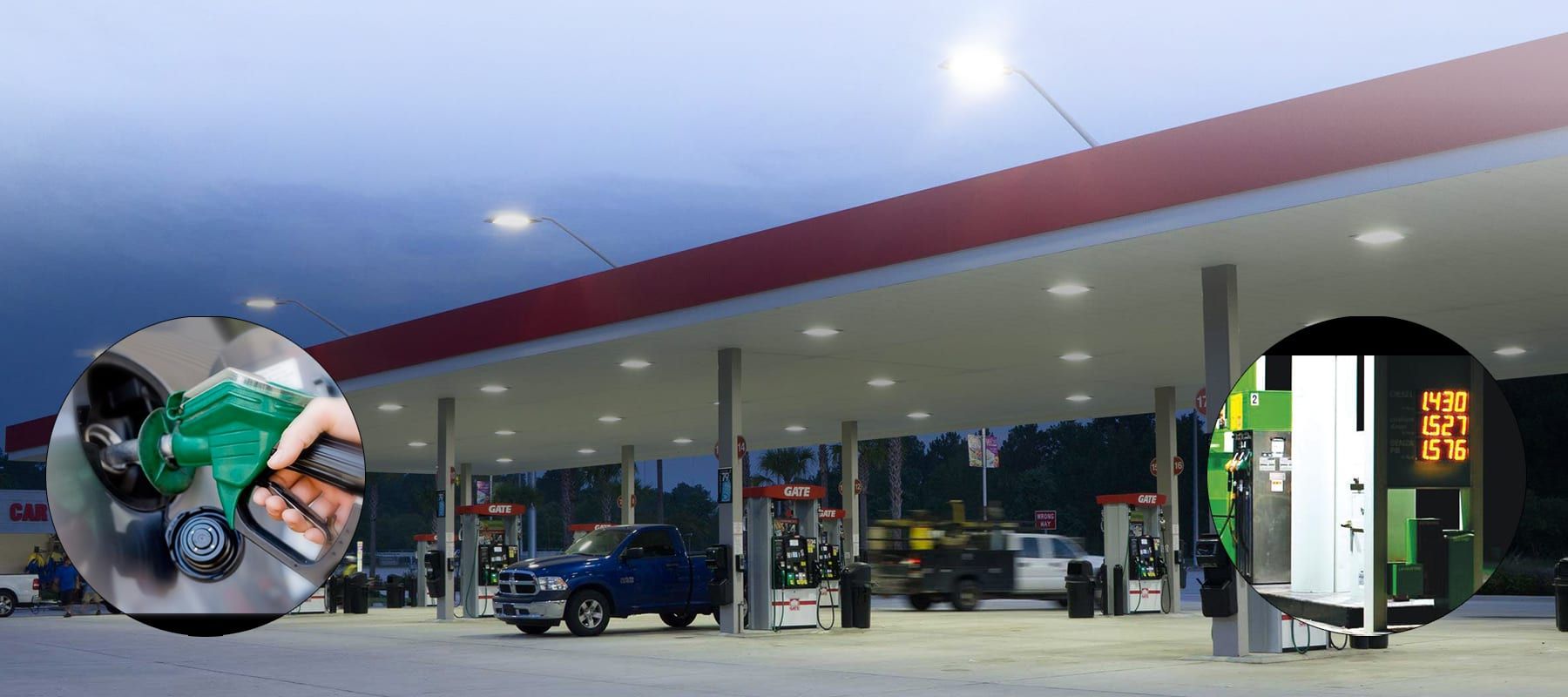
The communiqué requires taxpayers operating a fuel station to obtain TTOs, whose specifications are set by the Darphane, and have them fitted on the nozzle fittings of at least one pump unit. Only companies authorised by the Darphane carry out the fitting; the devices are not removed from the nozzle, and in the event of a fault it is again the authorised company that intervenes. The dates given when the communiqué was first published were postponed by later announcements and communiqués; confirm your own current position from GİB's current announcements and do not rely on memorised dates.
The fleet and vehicle owner side
On the vehicle side, a TTB is fitted. The TTB is mounted on the vehicle once and cannot be reused after removal; in cases such as a plate change or the sale of the vehicle, you need to go to an authorised company. Documenting fuel purchases within the scope of the system matters so that the fuel bought does not cause problems on the expense and deduction side; check the current implementation timetable and scope in the official announcement.
UTTS and station automation are not the same thing
The two are often confused. UTTS is a national recognition system set up by the state, whose hardware is fitted by companies authorised by the Darphane. Station automation, on the other hand, is the commercial software and hardware layer that manages the pumps, tanks, shifts, customers and reporting. The station obtains the UTTS hardware from the authorised company; on the automation side, the sale has to land correctly in your own system, the right price and limit have to be applied to the fleet customer, and the sale has to be posted to the customer account and reported.
At ELPO this work runs on the vehicle recognition system and the fuel station automation system: when the vehicle is recognised, the fuel is posted to the right vehicle and the right customer, unauthorised purchases are blocked, and consumption is reported per vehicle and per driver.
Tasks the station faces in practice
- Booking an appointment with the authorised company for TTO fitting, and installation for each pump nozzle.
- Verifying the data flow between the new-generation pump ÖKC and the automation.
- Updating the card-, chip- or plate-based definitions of fleet and vehicle recognition customers.
- Making sales, customer accounts and invoicing appear consistently in a single report — loss and leakage tracking depends on this consistency.
Sources
Definitions and the station obligation: National Vehicle Recognition System Implementation General Communiqué (Serial No: 1), Official Gazette (Resmî Gazete), 5 October 2023. For the current timetable and announcements, see the GİB New Generation ÖKC page.