








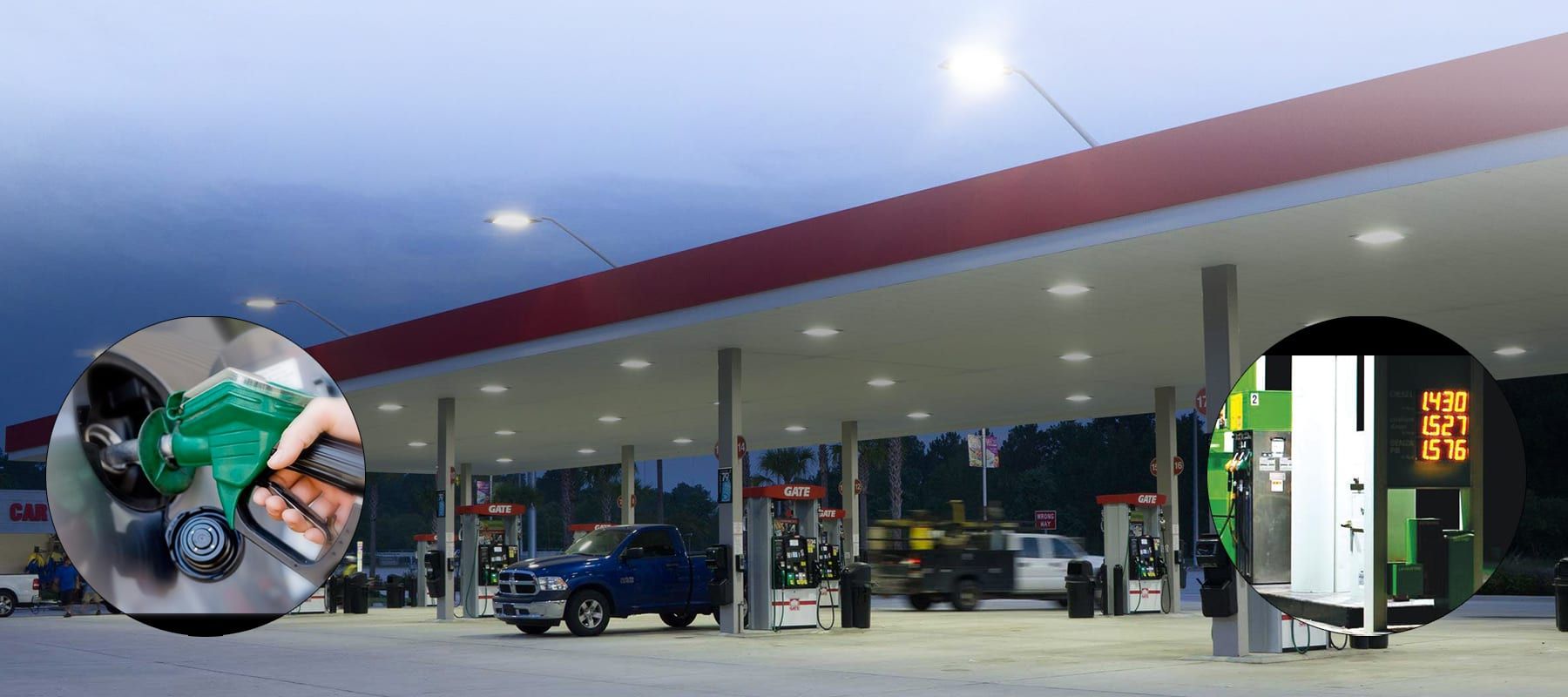
Fuel Pump Automation: How It Stops Unrecorded Sales
Pump automation records every litre by product, amount and shift; no fuel flows without system authorisation. How it differs from tank automation, and EPDK.
What does pump automation do?
Pump automation connects the pumps at a station to a central system and records every sale at its source. Once the pumps are switched to automation mode, they cannot dispense fuel without authorisation from the system. This removes off-the-books sales, mismatches between the till and the pump, and errors caused by manual entry.
To see which hardware is fitted to your pumps and which brands it works with: PX pump automation system
How does it work?
Each pump is connected to the automation cabinet in the station building. When a fill starts, the system instantly records the product, quantity, amount, nozzle and time; when the fill ends, the record is closed and transferred to the till. The authorisation set-up varies with the way the station operates: free sale, opening with a staff card, automatic authorisation through vehicle recognition, or prepaid operation.
Pump automation vs tank automation
The two are often confused, but they measure different sides:
- Pump automation (PX) measures the sales side — how much fuel came out of the nozzle?
- Tank automation (TX) measures the stock side — what is the physical level in the tank?
The real value appears when the two work together: "how much did I sell" is compared with "how much did my tank go down". If the difference falls outside the expected limit, there is a problem — a leak, a measurement error, calibration drift or a loss.
What does it prevent?
- Sales that never get recorded, and end-of-shift shortfalls
- Till-pump inconsistencies and manual entry errors
- Stock losses that go unnoticed (when pump and tank data are compared)
- Unclear responsibility per shift, staff member or vehicle
The regulatory side
In Turkey, automation at fuel stations is handled within the scope of regulations by EPDK (Turkey's Energy Market Regulatory Authority); pump, tank and sales data are expected to be recorded and kept open to inspection. The daily reporting obligation under EPDK 1240 is also fed from this data — so automation is not only operational control, it is a compliance requirement.
Not only for stations
Businesses that manage their own fuel consumption use the same set-up: factories, mines, construction sites, concrete plants, ports, fleet depots and generator sites. There the aim is not sales but recording which vehicle took how much fuel and when.
Next step
For details, see the pump automation and tank automation pages; for the overall picture, see the fuel station automation guide.