Kapıya Gel
Compete with the Neighbor, Race the Giants.
Big chain markets, fast-delivery apps and giant marketplaces squeeze the neighborhood shopkeeper a little more every day. Kapıya Gel lets the small market protect and grow its own customers with its own brand, in its own district.
Transparent pricing: a reasonable monthly plan plus a commission about a quarter of what the big platforms charge. Your own domain, your own logo, your own prices — the customer data stays with you. Delivery only inside your district, neighborhood-style.

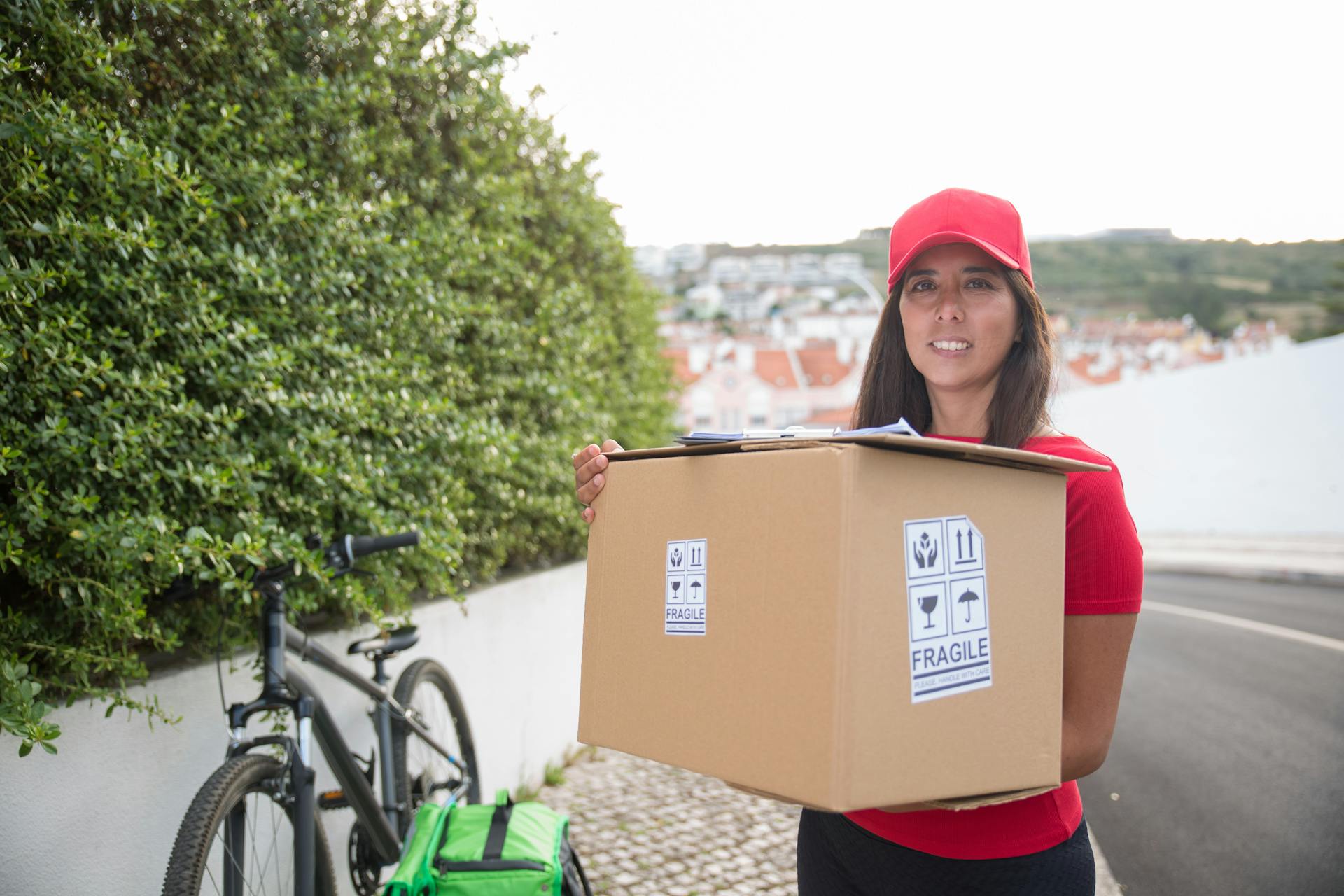
E-Commerce for Neighborhood Markets
Grocer, market, butcher, greengrocer — regional delivery on their own domain and brand. Low commission, flexible plan.
"The grocer on your street has to fight big chain markets and giant delivery platforms with the same weapons. Kapıya Gel is the biggest punch a small shopkeeper has."
Your courier or your own team — same day, usually within 1-2 hours.

Everything a Market Needs
E-commerce backbone, delivery management, payment integration, mobile + web — all in one bundle. Monthly plan plus a shopkeeper-friendly low commission (about a quarter of the big players').
Made for Your District
Serve only your own neighborhood — a neighbor-to-neighbor model. The customer orders from your street and you deliver the same day.
E-Commerce, Out of the Box
20+ categories, product cards, cart, coupons, campaigns, membership — all ready. Setup in one hour.
Same-Day, Even Hourly
Same-day, sometimes hourly delivery. Your courier or your own team handles neighborhood distribution — the cost is time, not fuel.
Flexible Payment
Cash at the door, card at the door, online card, bank transfer, member wallet — whatever your customer prefers. Invoicing compatible with your accountant.
Mobile + Web
PWA straight on the customer's phone — no need to ship through the App Store. Your own domain (mymarket.com) plus your own brand.
Stock & Reports
Stock drops on each sale, low-level alerts, daily/weekly sales reports, top sellers — through the shopkeeper's lens.
Sign Up Today, Sell Today
No complex integrations, no waiting weeks. Apply today, start selling today.
Shopkeeper Sign-Up
The owner signs up in 5 minutes and adds products via Excel or manually.
Define Your Area
Pick the streets and neighborhoods you serve on the map — only that area can order.
Customer Orders
The neighbor opens mymarket.com on their phone, prepares the basket and picks a payment method.
Delivery
You receive the order, prepare it and deliver to the neighborhood yourself or via courier. Same day, usually 1-2 hours.
Three Shops, Three Leaps
Grocer, butcher, greengrocer — each with their own pain, their own solution, their own gain.
Neighborhood Grocer — City Center
"A big chain market opened on the next street; my customers started drifting there."
With Kapıya Gel, he takes online orders in his own neighborhood. No need to chase customers — they order without leaving home.
Steady neighbor customer base, a digital order channel established
Butcher & Deli — Big-City Neighborhood
"My younger customers shop on online platforms; I can't reach the demand for fresh products."
He offers fresh products to the neighborhood through his own branded app and gets order notifications via Telegram + WhatsApp.
Weekend order volume clearly grew, online customers reached
Greengrocer — Around the City Market
"I get up early for the market, but evening sales for fresh produce are weak and spoilage is high."
On Kapıya Gel, an intraday flash campaign — an 'evening discount' alert goes out automatically to subscribed customers.
Spoilage dropped, end-of-day stock was used more efficiently
From the Neighborhood to the Door, Bringing the Neighborly Touch Back



Images are illustrative · Photos from Pexels.com / CC0 licence
The Giants vs. the Local Shopkeeper
Big platforms own the customer and take 15-25% commission from the shopkeeper. Kapıya Gel stands beside the shopkeeper with low commission, and the customer data stays with the shop.
| Feature | Kapıya Gel | Big Chain Online Market | Fast-Delivery App | Marketplace Food/Market |
|---|---|---|---|---|
| Serves only your own district (neighborhood model) | ✓ | Region-based (big chain) | City/region-based | City-based |
| Shopkeeper's own brand + domain | ✓ yourbrand.com | ✗ chain's brand | ✗ app brand | ✗ marketplace brand |
| Mobile app under the shopkeeper's brand (App Store/Play) | ✓ | ✗ | ✗ | ✗ |
| Ownership of customer data | ✓ Shopkeeper owns | Chain owns | Platform owns | Platform owns |
| Commission rate | ✓ Low (monthly plan + symbolic) | — | 15-22% per order | 15-25% per order |
| Predictable flat monthly subscription | ✓ | — | Ads + commission mixed | Ads + commission mixed |
| Independent pricing control | ✓ Shopkeeper decides | Centralized (chain HQ) | Limited (campaign pressure) | Limited (campaign pressure) |
| Setup time | ✓ 1 day | None (chain-only) | Weeks (integration) | Weeks (store approval) |
| Mandatory minimum order amount | ✓ Shopkeeper decides | Fixed | Fixed | Fixed |
| Stock management (shopkeeper panel) | ✓ Built-in | Chain-specific | Manual / limited | Manual / limited |
| Neighborhood-targeted campaigns / push | ✓ | ✗ Generic | Limited | Limited |
| Cash on delivery | ✓ | ✓ | Limited | Limited |
| Card at the door (POS) | ✓ | ✓ | Limited | Limited |
| Online card + 3D Secure | ✓ | ✓ | ✓ | ✓ |
| WhatsApp Business order integration | ✓ Built-in | ✗ | ✗ | ✗ |
| Shop-specific loyalty / points | ✓ | Tied to chain programme | Tied to platform | Tied to platform |
| Local data residency (KVKK) | ✓ | Unclear | Limited | Limited |
| Local language + on-site support | ✓ ELPO team | Chain call centre | Limited | Limited |
Migros, Getir, Yemeksepeti, Trendyol and other brand names belong to their respective owners; the comparison is made on publicly available features under nominative fair use. Data is current as of this quarter and may change over time.
Own Your Neighborhood
Apply today, start selling today. Shopkeeper-friendly plans, setup by the ELPO team, training over WhatsApp — not a phone call away, by your side.